
Origins of Halloween: History and Traditions
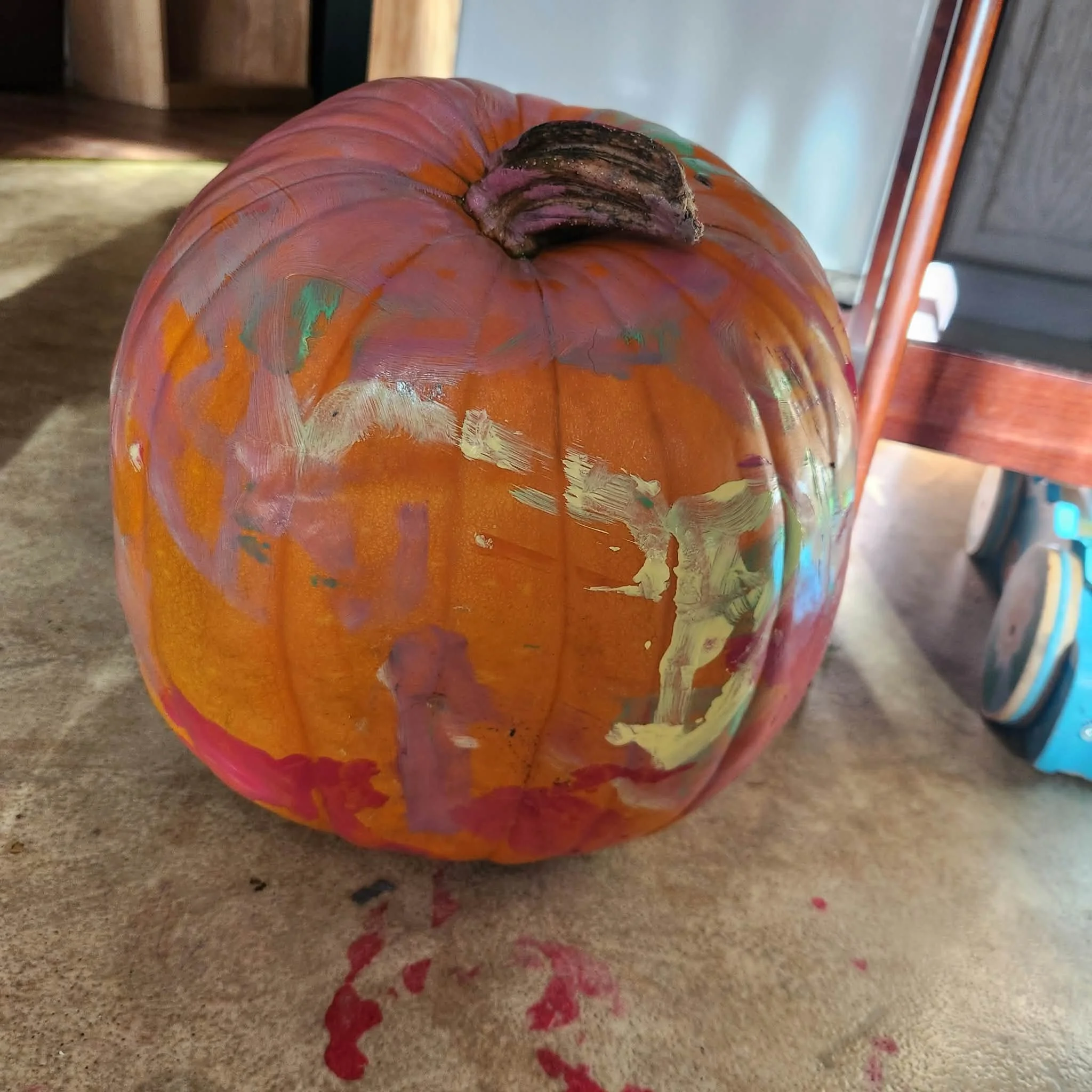
Halloween is right around the corner! I'm super excited to celebrate with S, who is now so aware of what's going on around her and loves doing things. Favorite Halloween activity to date: painting pumpkins!
Anyway, this got me thinking about what are the origins of Halloween and some traditions?
Celtic Origins of Halloween
Halloween started in ancient times by the Celts, though how we celebrate today would probably be confusing to them! During the time of the year when the temperatures grew cold and the days short, they celebrated Samhain. It was a harvest festival marking the end of the season, and the day they believed that spirits walked the earth. One theory is that people wore masks so the spirits would not recognize them and pass on by.
When Rome colonized parts of Celtic Europe, traditions began to blend. Romans had a similar festival at a similar time of year, honoring their ancestors who had passed. Christianity began to spread throughout Europe as well, and the Church established its own days of observance, including All Saints' Day (November 1st) and All Souls' Day (November 2nd). The night before All Saints' Day became known as All Hallows' Eve, retaining some traditions associated with the ancient Samhain festival. Eventually, this became Halloween.
From Souling to Trick-or-treating
Around this time, a tradition called “souling” began. In Medieval Europe, the popular belief was that some deceased souls would go to purgatory, a kind of state some souls entered into if they needed cleansing to reach heaven. To help their ancestors get released from this state and go to heaven, people on earth needed to pray. Poorer members of the community would go from house to house, offering to pray for the ancestors of those passed on, and in exchange, received soul cakes (a kind of oat cake). Over time, souling, along with other traditions picked up along the way, evolved into trick-or-treating.
The Legend of Stingy Jack and the Jack-o-Lantern
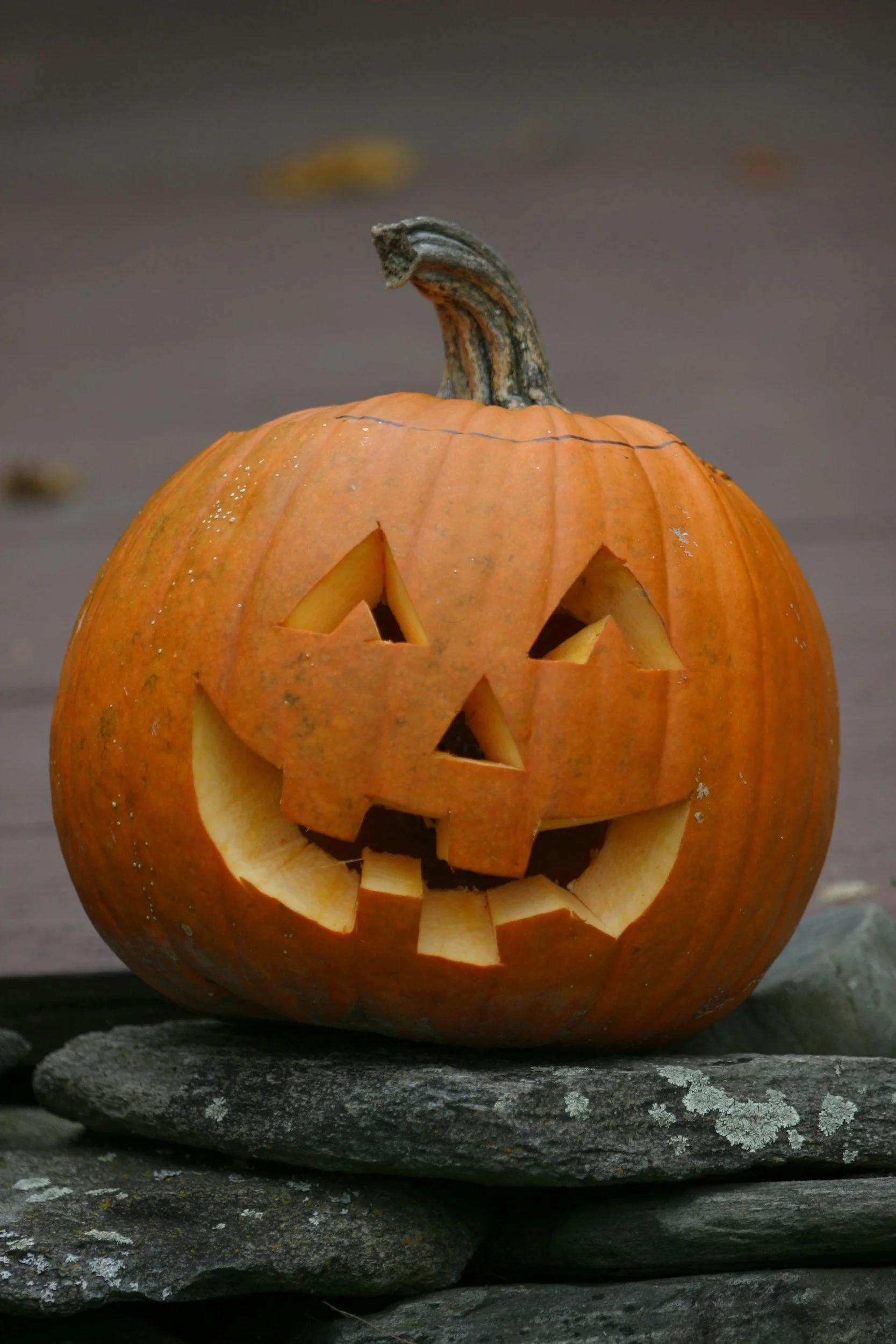
And what is modern-day Halloween without a jack-o'-lantern? This tradition comes from Ireland, where Celtic traditions mixed with Catholic teachings. It was there that the legend of Stingy Jack arose.
As his name suggests, Stingy Jack did not like to part with money, so when he convinced the Devil to turn into a coin, he kept that coin for himself by using a silver cross to keep the Devil from turning back to his true form. After some time had passed, Stingy Jack released the Devil under the condition that the latter could not bother him for a year.
A year later, Stingy Jack convinced the Devil to climb a tree and carved a cross into its trunk, this time making the Devil promise not to bother him for ten years.
When Jack died, God would not accept such a trickster into heaven. The Devil also refused him entrance into hell. Stingy Jack was sent on his way to wander the earth with a lit piece of coal to guide him. He placed this coal into a carved-out turnip, which became known as Jack's lantern.
People began carving their own turnips, perhaps to ward off Stingy Jack from entering their homes, or perhaps just to have fun with the story. When Irish immigrants brought this tradition to the United States, they often used pumpkins, which were plentiful in North America and easier to carve than turnips.
So this Halloween, whether you are dressing up, handing out candy to kids, or carving pumpkins, think a little of traditions behind them! I hope you enjoyed reading about the origins of Halloween and learned something too!
Sources and Further Reading
https://www.history.com/articles/history-of-halloween
https://www.english-heritage.org.uk/halloween/soul-cakes/
How Jack O’Lanterns Originated in Irish Myth | HISTORY
Thanks for reading!
💜
Laura
