
GMO or Not?
When you think of summer foods—at least in North America—corn on the cob is one that might come to mind. Picture it: a barbeque in the early evening, the sun still awake but not glaring, a picnic table full of potato salad, fresh watermelon, burgers for you meat-eaters, and corn on the cob, still warm. Your favorite people chatting together and laughing.
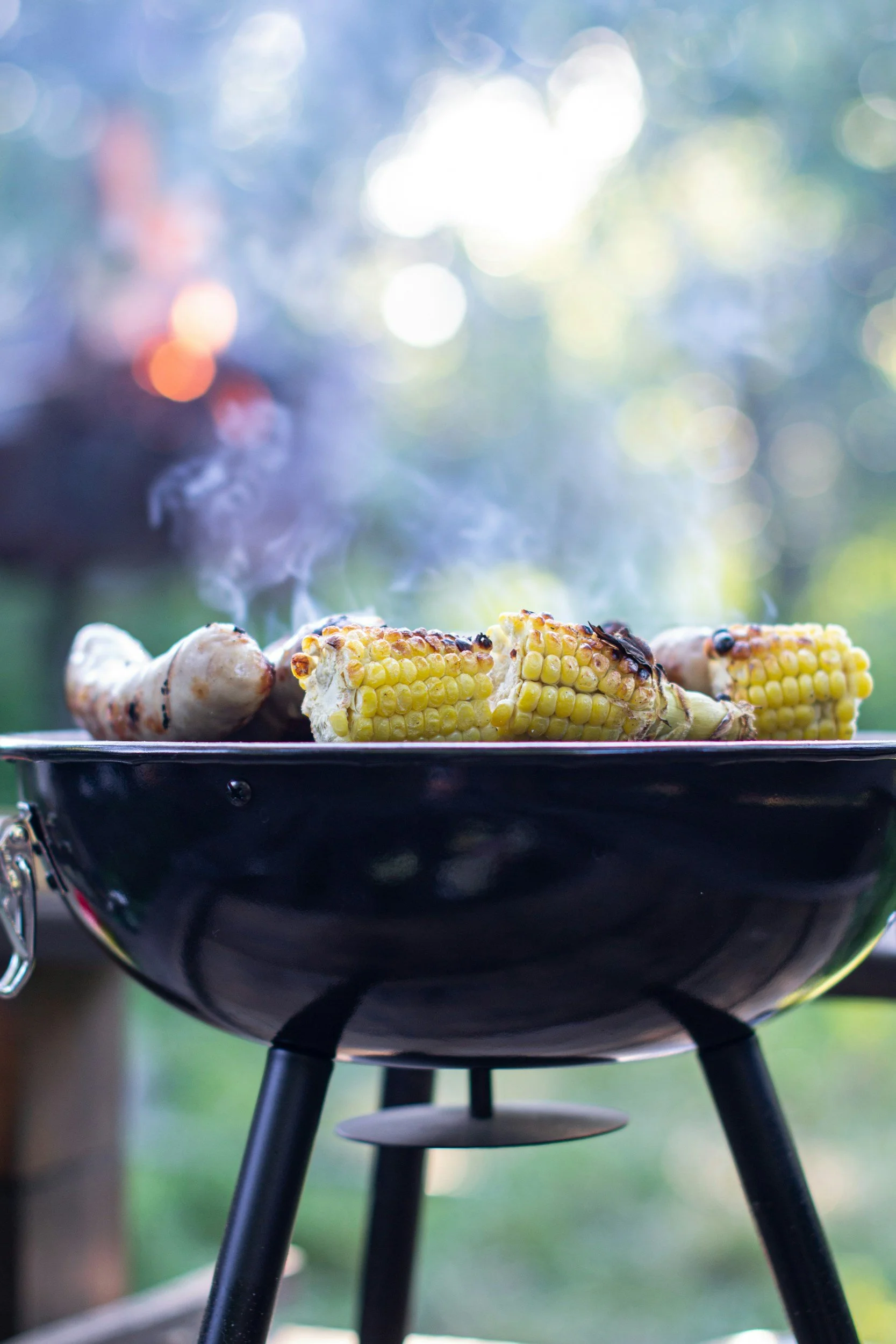
For me, that is a picture of summer. But let’s go back to that corn. Corn became kind of infamous thanks to Monsanto. But what is Monsanto, is it bad, and what can you do to get corn not associated with Monsanto?
Monsanto as a company was formed in 1901 with the creation of an artificial sweetener. Over the next several decades, it explored several different chemically-laden products, especially related to agriculture; the herbicide Roundup being the most famous. In the early 2000s, it started working in the field of biotechnology and created “Roundup Ready” seeds, or seeds which have been genetically modified to resist Roundup, so that farmers can spray against unwanted weeds but not damage the desired plants. Today, approximately 80 percent of corn worldwide has been genetically modified by Monsanto, including a sweet corn variety which has been genetically altered to produce its own insecticide.
What does this mean for you? What does it mean for the environment?
Monsanto is not the only company producing genetically modified foods, but they are likely the most well known. Crops can be modified to be pest-resistant, be more weather-resistant (for example, more drought-tolerant), and have greater nutritional value.
On the con side, the use of herbicides—Roundup—has increased with the increase in GM crops. It can also lead to a loss of biodiversity for particular plants. Not only is this aspect a cultural and nature-related shame, it can also create problems for growers and consumers. Imagine Farmer A is growing ten different types of bananas, all non-GMO. One variety becomes diseased; she still has nine different bananas to grow. Her farm is fine. Farmer B, on the other hand, has GMO bananas, but only three types, because those are the only types available as GMOs. One variety becomes diseased and so ⅓ of his crop is gone.
Is genetically engineering crops safe, both for consumption and for the environment? There’s no easy answer, at least right now. There doesn’t seem to be any adverse effects on humans consuming them, though these foods have not been around long enough to determine a long term effect. Could GM foods help us in the long term with food shortage problems? Perhaps, but will we lose something by doing so? These are all questions we have yet to answer as a society.
Personally, I prefer locally, organically grown corn on the cob for my backyard barbeque. Another reason why I love farmer’s markets and my own garden.
Thanks for reading!
💜
Laura
